
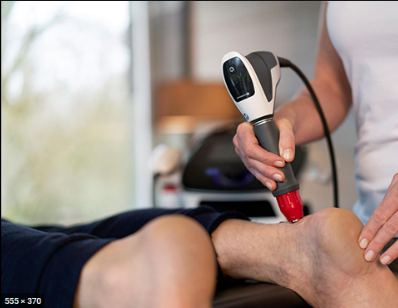
Shockwave therapy
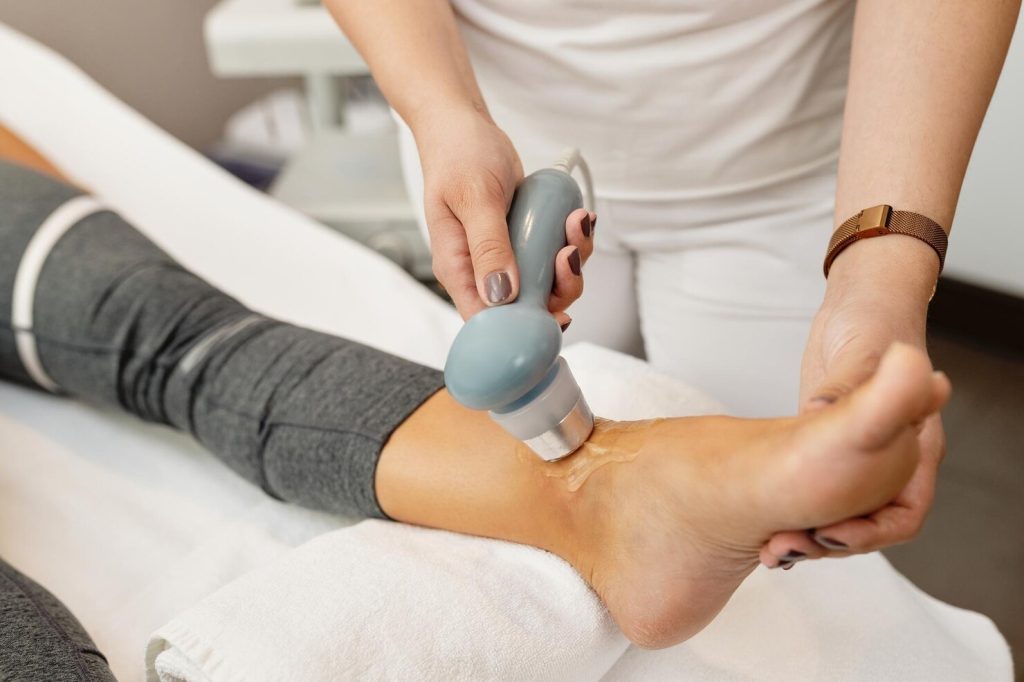
Shockwave therapy is a non-invasive treatment commonly used in podiatry to manage chronic musculoskeletal conditions affecting the foot and lower limb, particularly tendinopathy, plantar heel pain and other soft tissue injuries. It uses high-energy acoustic waves to stimulate tissue repair and reduce pain through a combination of mechanical, cellular and neurochemical effects.
How it works
The therapeutic effects of shockwaves occur through both short- and long-term mechanisms:
- Short-term effects include depletion of presynaptic substance P in C nerve fibers, which helps reduce pain, and improved local blood circulation, promoting the delivery of oxygen and nutrients to injured tissues.
- Long-term effects involve blockade of neurogenic inflammation, improved tendon gliding, and stimulation of mesenchymal stem cells, which can support collagen synthesis, tissue repair and in some cases new bone formation. These effects collectively improve tissue structure and function while reducing pain.
Evidence base
Research in podiatry and musculoskeletal medicine supports shockwave therapy as an effective treatment for chronic plantar fasciopathy, Achilles tendinopathy, and tendon insertion injuries. Studies demonstrate significant reductions in pain, improvements in function, and, in some cases, structural improvements in tendon tissue when combined with rehabilitation exercises. Shockwave is considered particularly useful for conditions that have not responded to conservative measures such as stretching, orthotics or physical therapy.
Safety and contraindications
Shockwave therapy is generally safe, but it is not suitable for:
- Children under 18 years
- Patients taking anticoagulant medications (e.g., Aspirin, Warfarin)
- Individuals with bleeding or clotting disorders
- Localised tumors or active bacterial infections
- Patients who have received local corticosteroid injections in the previous 6 weeks