Dry needling
How dry needling works
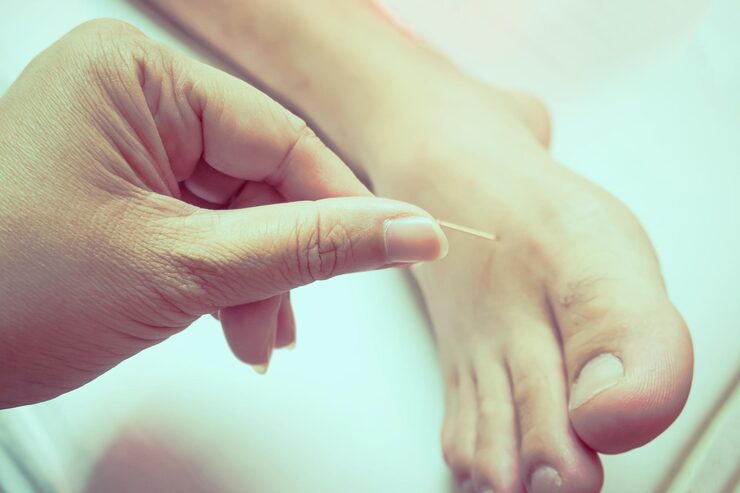
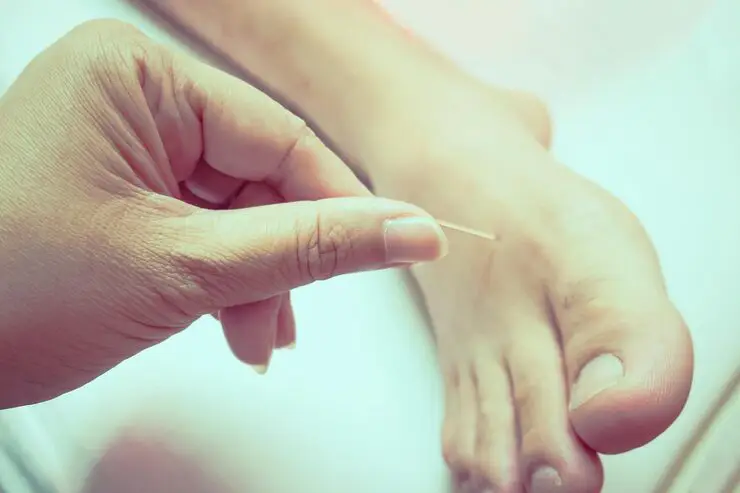
The aim of dry needling is to reduce muscle tightness, improve blood flow and promote a local healing response within the affected tissue. When the needle stimulates a trigger point, it can produce a brief involuntary muscle twitch, which is associated with a reduction in muscle tension and improved muscle function. Research suggests dry needling may help reduce pain and improve mobility in certain musculoskeletal conditions, particularly when combined with exercise therapy and other treatments.
Dry needling in podiatry
In podiatry, dry needling may be used to assist in the management of a range of foot and lower limb conditions, including:
- Plantar heel pain (plantar fasciopathy), where tightness in the calf muscles or intrinsic foot muscles may contribute to increased strain on the plantar fascia
- Achilles tendinopathy, where treatment of trigger points in the calf muscles may help reduce excessive tension on the Achilles tendon
- Calf muscle tightness, which can affect ankle mobility and alter gait mechanics
- Shin pain and medial tibial stress syndrome, where muscular overload and tightness contribute to symptoms
- Forefoot pain and metatarsalgia, where muscle imbalance or overload may affect foot function
Evidence and treatment approach
Evidence from musculoskeletal research indicates that dry needling can help reduce pain and improve function in certain lower limb conditions by decreasing trigger point sensitivity, improving muscle activation and supporting normal movement patterns. In podiatry practice, dry needling is typically used as part of a broader treatment plan that may also include stretching and strengthening exercises, manual therapy, orthotic therapy and footwear advice.