Prolotherapy
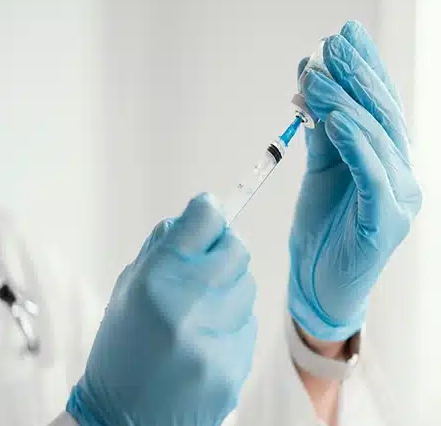
Prolotherapy (short for proliferation therapy) is an injection-based treatment used to help manage certain chronic musculoskeletal conditions affecting joints, ligaments and tendons. The treatment typically involves injecting a solution containing glucose (dextrose) and local anaesthetic into specific areas of injured or weakened connective tissue.
How prolotherapy works
The aim of prolotherapy is to stimulate the body’s natural healing processes. The injected solution creates a controlled, local inflammatory response, which may encourage tissue repair, collagen production and improved structural support within ligaments and tendons. Research suggests that dextrose prolotherapy may assist with pain reduction and functional improvement in some chronic musculoskeletal conditions, particularly when other conservative treatments have not been fully effective.
Conditions that may benefit from prolotherapy
In podiatry and lower limb care, prolotherapy may be considered for conditions involving chronic ligament or tendon dysfunction, such as:
- Enthesis-related pain (where tendons or ligaments attach to bone)
- Chronic tendinopathy or tendinosis, where degenerative changes occur within a tendon
- Persistent pain or joint instability following previous injuries, such as ankle sprains
- Neuropathic pain, where low-concentration dextrose may be injected around superficial nerves (sometimes referred to as perineural injection therapy or neural prolotherapy)
Prolotherapy injection techniques
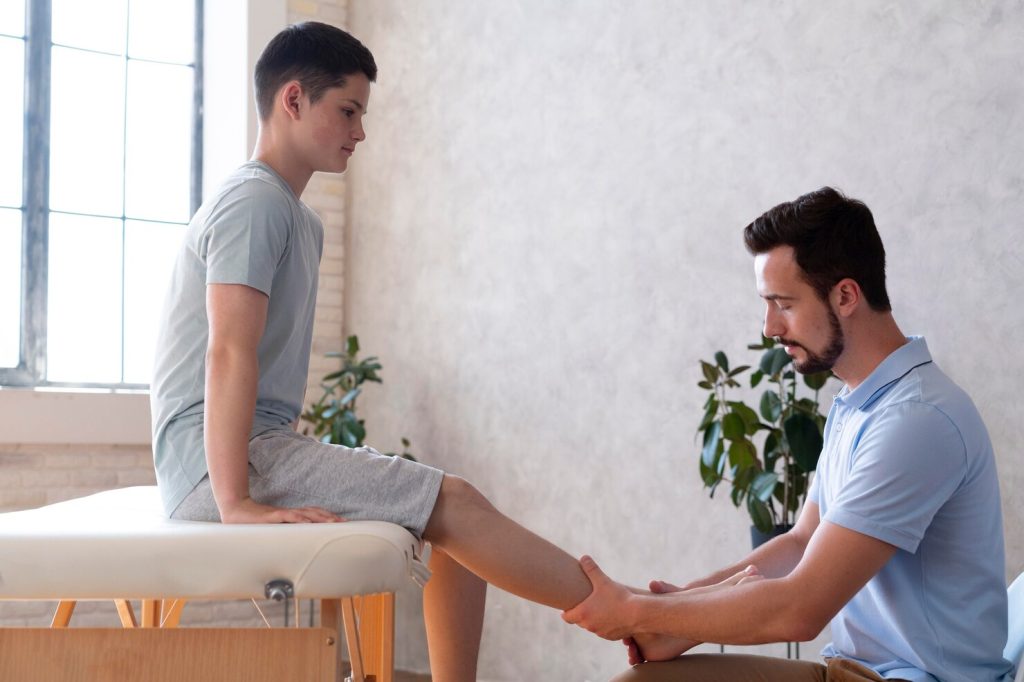
The technique used depends on the underlying condition. For example, injections may be directed near a tendon to stimulate healing, placed at ligament or tendon attachment sites to support stability, or delivered around superficial nerves where nerve-related pain is present.
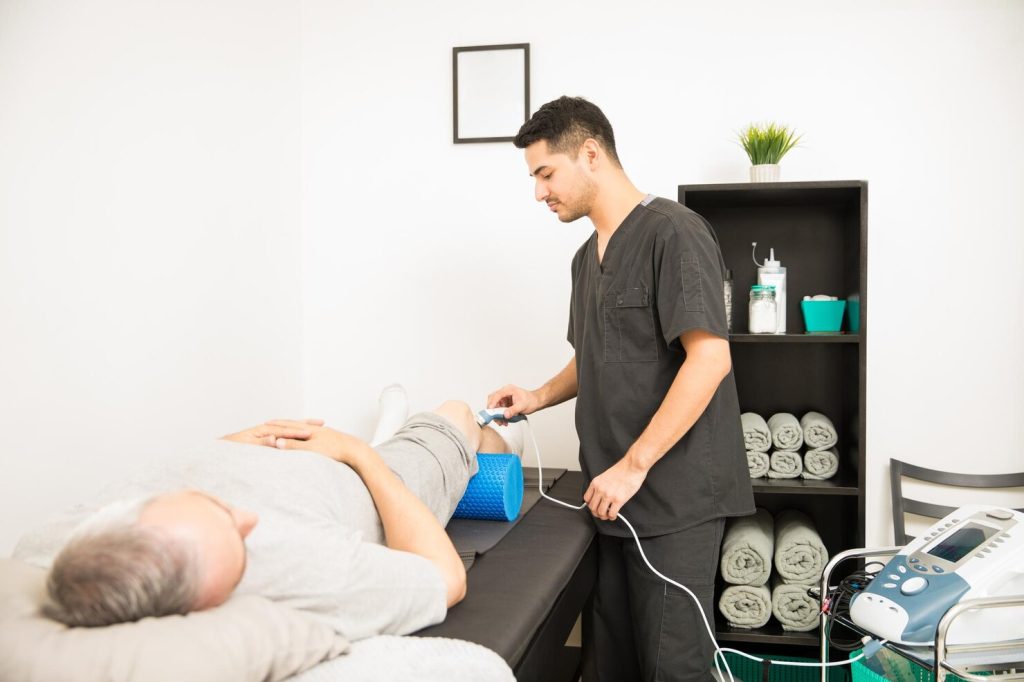
Evidence indicates that prolotherapy may provide benefit for certain chronic tendon and ligament conditions by supporting connective tissue repair and reducing pain, although it is generally most effective when combined with other evidence-based treatments. These may include:
- Foot mobilisation and manual therapy
- Strapping or taping techniques
- Foot orthotic therapy
- Targeted stretching and strengthening programs
Treatment is typically delivered as a series of injections, often spaced several weeks apart depending on the condition and individual response. Because connective tissues such as ligaments and tendons naturally heal slowly, improvements may occur gradually over several weeks to months as tissue repair progresses.
Patients may also be advised on nutritional factors that support tissue healing, including adequate intake of nutrients involved in collagen production such as vitamin C, zinc and magnesium, alongside appropriate activity modification and rehabilitation.
Prolotherapy is usually considered as part of a comprehensive management plan aimed at improving stability, reducing pain and restoring normal function in the foot and lower limb.